
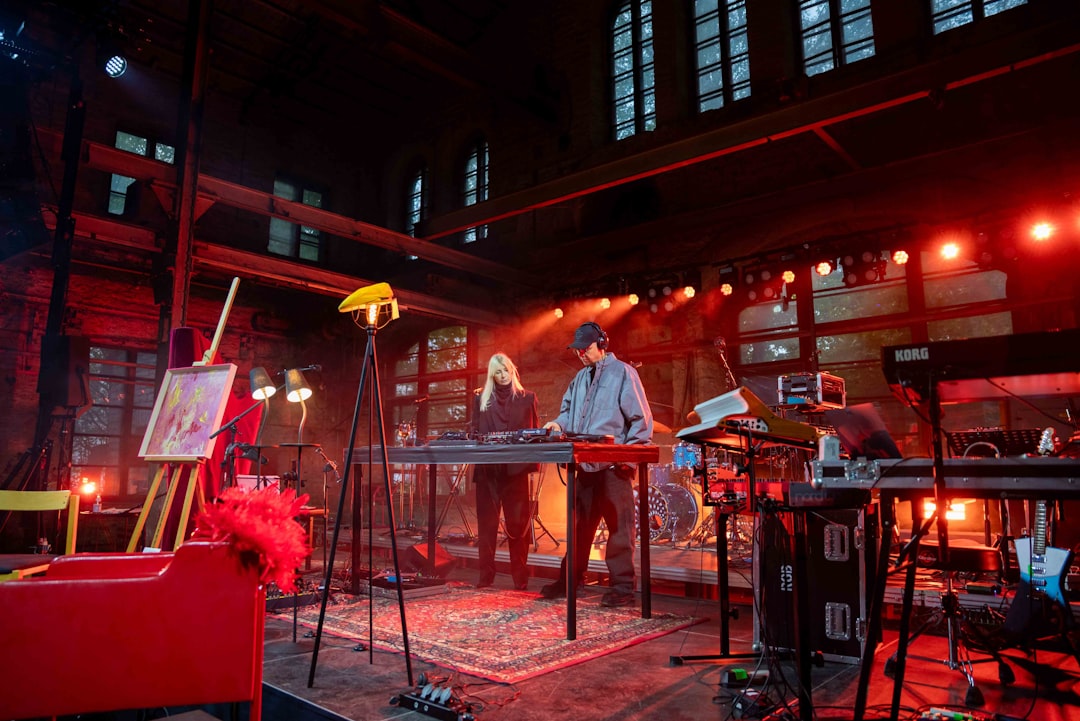
In recent years, the music and audio equipment market has undergone significant transformations, driven by technological advancements and changing consumer preferences. As we delve into the current landscape, it becomes evident that understanding these shifts is crucial for both enthusiasts and industry stakeholders. The global music equipment market was valued at approximately $20 billion in 2021 and is projected to reach around $25 billion by 2025, reflecting a compound annual growth rate (CAGR) of 5.5%. This growth is indicative of a broader trend towards personalization and accessibility in music production and consumption.
Key Insight: The increasing market value suggests a growing interest in music creation and consumption, particularly among younger demographics who are more inclined to invest in quality audio experiences.
One of the most notable trends is the rise of budget-friendly audio equipment. With the proliferation of online platforms and the DIY culture, aspiring musicians and audio enthusiasts are no longer limited to high-end gear. Brands like IK Multimedia and PreSonus have introduced affordable interfaces and monitors that deliver professional-quality sound without breaking the bank. For instance, the IK Multimedia iRig series has gained popularity among mobile musicians, allowing them to record high-quality audio directly from their smartphones or tablets.
Moreover, the eco-friendly movement has also made its mark on the audio equipment sector. Consumers are increasingly aware of the environmental impact of their purchases, leading to a surge in demand for sustainable products. Companies such as Audioengine and JBL are now offering speakers made from recycled materials, appealing to environmentally conscious consumers. This shift not only caters to a growing market segment but also aligns with global sustainability goals, making it a win-win for both businesses and the planet.
The DIY trend has further empowered consumers, enabling them to create their own audio setups tailored to their specific needs. Online communities and resources have flourished, providing tutorials and guides for building custom audio equipment. This hands-on approach not only fosters creativity but also allows individuals to save money while gaining a deeper understanding of the technology behind their favorite gear. For example, many enthusiasts are now building their own acoustic panels and soundproofing solutions, enhancing their home studios without the hefty price tag.
In addition to these trends, the rise of streaming services has transformed how consumers engage with music. According to recent statistics, over 80% of music consumption now occurs through streaming platforms, leading to a decline in physical media sales. This shift has prompted audio equipment manufacturers to adapt their offerings, focusing on wireless and portable solutions that cater to the on-the-go lifestyle of modern listeners. Bluetooth speakers and headphones have surged in popularity, with sales increasing by 30% in the past two years alone.
As we look to the future, the integration of artificial intelligence (AI) and machine learning in music production is poised to revolutionize the industry. Tools that utilize AI to assist in mixing and mastering are becoming more accessible, allowing even novice producers to achieve professional-sounding results. This democratization of music production is likely to further expand the market, as more individuals are empowered to create and share their work.
In conclusion, the music and audio equipment market is in a state of dynamic evolution, driven by budget-friendly options, eco-conscious practices, and the DIY spirit. As technology continues to advance and consumer preferences shift, the industry must remain agile to meet the demands of a diverse and growing audience. For both seasoned professionals and newcomers alike, the future of music equipment promises to be exciting, innovative, and inclusive.